
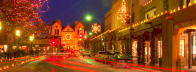
DC Photos: Manila #1

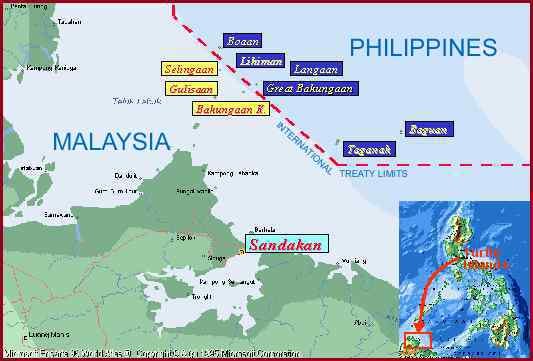
Back in 2002, when I was on an 8-month Fulbright grant in Malaysia, spending the first four months on the island of Borneo at UMS (University of Malaysia Sabah) in Kota Kinabalu, my ex and I went on a multi-day excursion to the Turtle Islands. There, we watched prehistoric turtles lay eggs in the middle of the night, saw rangers transfer eggs to hatcheries, and watched the new hatchlings scramble back into the Sulu Sea from the white sand beach. It was cool.
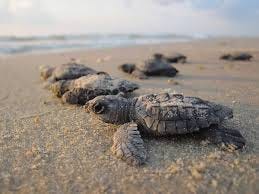
Of course, I was supposed to be teaching improvisation, solo performance, and clowning to local UMS students from the kampongs (local villages), which I did, but I have to admit that I spent an equal amount of time exploring the geography and culture of NE Sabah. I slept in Dayak long houses, danced with locals and played tribal gongs, went to an orangutan nature sanctuary, went boating on the Kinabatang River, and watched heroic mama turtles perform their ritual dance of propagation and survival.
Why do I mention this here in my first post about my 2-month-long stay in Manila?
Because during the bright daylight on Selingan Island, I could look across the same Sulu Sea, and see, almost within reach, the islands of the Philippines. They were so close, I could almost touch them. Why not just swim across the sea and enter the Philippines without a visa?
Because, duh… I can’t swim all that well, and… that little gap between the Turtle Islands and the closest Philippine island was, most probably, more than 20 miles.
Now, 24 years later, I’ve finally arrived in the Philippines - of course, with… an “e-visa”.
As I’ve previously written, I’m staying in Manila with my best friend from first grade, Rick Reaper, and his extended Filipino family.
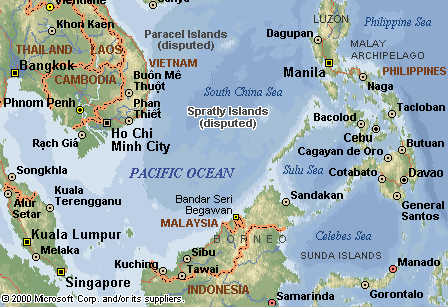
The capital of the Philippines, Manila has an estimated population of approximately 1.9 million people as of 2024–2026, within a 25-square-kilometer area. The broader Metro Manila area, which includes Quezon City and other surrounding cities, is much larger, with a population exceeding 14 to 15 million.
My new adopted family lives in Makati City, in a 16th-floor condo, in one of the well-to-do areas of Manila, a far cry from the typical third-world poverty of the large majority of most Manilans.
Their pad has a definite Japanese style and aura.


It’s right across from Velasquez Park, which hosts one of the most popular Saturday markets in the entire city.


It reminds me of the night markets in East Malaysia and all around the rest of Southeast Asia.
Being a far cry from the Peninsula Hotel right nearby in Makati.


Not that most American cities can’t show you the chasm between the haves and the have-nots, but I think that Asia puts the harsh view in even more stark relief.


One day during my first week, we take a Grab (Manila’s version of Uber) through these kinds of poor neighborhoods - to Antipolo, a large rural town known as a Catholic pilgrimage site. Although only 15 miles away, it takes us almost two hours to crawl through Manila’s brutal daily traffic. In the Antipolo Cathedral, the shrine to Our Lady of Peace and Good Voyage has a 17th-century statue of the Virgin Mary, and attracts tens of thousands of visitors each year, half of whom seem to be visiting on the day we arrive.


However, the reason we’ve schlepped to Antipolo - is to see The Reaper’s favorite site on the whole island of Luzon - the Pinto Art Museum, an old Spanish monastery renovated in 2010, now holding an amazing collection of both traditional and contemporary Filipino art. It’s curated by Dr. Joven R. Cuanang, a neurologist and renowned art patron, who is also the founder of the museum and its many galleries, and who created it to showcase his vast collection.


I hope these photos will give you just a small sense of what a diverse and beautiful collection this is, the best in the Philippines.


After seeing so much “modern” and “post-Modern” Western art in NYC and in so many European capitals, I have to say that spending the day in a museum like the Pinto is extremely refreshing and illuminating.
After all, one of the great educative joys of travel is the discovery of new things: food, music, dance, history, language, geography, culture, and, of course, art.


I think I’ll stop here this week, to let you revel in the photos.
I hope you enjoy them.
xo,
Trules from Manila, Part 1
If you enjoyed this post, or any previous ones, please LIKE IT (by clicking the Heart), and LEAVE A COMMENT. It lets me know you care, and it helps build an empathetic and interactive readership…. which I still… greatly appreciate!
If you have any friends who you think might enjoy Santa Fe Substack, PLEASE SHARE IT WITH THEM.
ALSO, IF YOU FIND A TYPO (a casualty of being your own editor!), please let me know so I can fix it.
Please also CHECK OUT “TRULES RULES on SUBSTACK” with over 100 posts and re-posts of “rants, raves, reports, and embarrassments, plus points of view & top-rated travel podcasts - along with some common sense”.
Thanks so much!
To read more of Trules’ travel tales, GO TO my “e-travels with e. trules” blog
Or to listen to my travel PODCAST, GO HERE
Visit my personal blog “Trules Rules” HERE
Or go to my HOMEPAGE
My Twitter (X) : Fxxk Twitter
Great photos and dialogue! I never got enough in exploring some of the great Asian cities like Manilla. The people, culture, food, nature, wildlife, history, architecture, activities, tradtions, etc, so fascinating. The rift between the wealthy and much more prevalent poverty sticken neighbothoods, often right up against another, was always disturbing and not what you find in the travel books.
Thank you for sharing this amazing art from a place I will probably never get to see-- a place I did not even know existed, provincial that I am.... so provincial that I had to look up the spelling of provincial.